
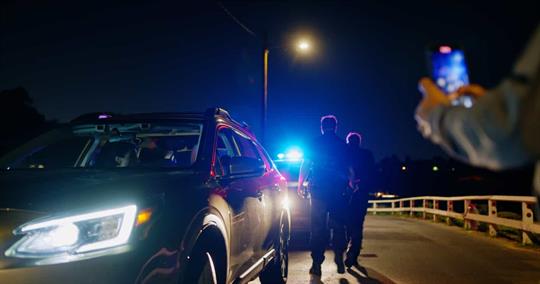
Summer in Louisiana brings outdoor festivals, holiday gatherings, and plenty of time on the road. It also brings a noticeable increase in law enforcement activity, including DWI sobriety checkpoints. If you drive in Lake Charles or anywhere in Calcasieu Parish, there is a reasonable chance you will encounter one. Understanding how these checkpoints work, your rights, and what to do if things go wrong can make a significant difference.
What Is a DWI Checkpoint?
A DWI checkpoint, also called a sobriety checkpoint or roadblock, is a designated location where law enforcement officers temporarily stop vehicles to check for signs of impaired driving. Unlike a traffic stop based on observed behavior, checkpoints are systematic: officers stop drivers according to a pre-set pattern, such as every vehicle or every third vehicle, rather than selecting individual drivers based on suspicion.
In Louisiana, sobriety checkpoints are legal under both state and federal law, provided they follow established constitutional guidelines. Law enforcement agencies are required to follow neutral criteria for stopping vehicles, and checkpoints must be publicly announced in advance in most circumstances.
When Are Checkpoints Most Common?
DWI enforcement ramps up significantly during the summer months. July Fourth weekend is historically one of the highest periods for DWI-related arrests and fatalities nationwide. Law enforcement agencies in Louisiana, including those serving the Lake Charles area, typically increase patrols and checkpoint frequency around:
- Independence Day (July 4)
- Labor Day weekend
- Mardi Gras events and local festivals
- Late-night weekend hours throughout the summer
If you plan to be on the road during these windows, it is worth knowing what to expect before you encounter a checkpoint.
What Happens at a Louisiana DWI Checkpoint?
When you approach a checkpoint, officers will signal you to stop. The interaction is typically brief. Here is what you can generally expect:
1. The Initial Stop
Officers will ask for your driver's license, vehicle registration, and proof of insurance. You are required to provide these documents. During this brief interaction, officers will observe your appearance, behavior, and speech for signs of impairment.
2. Brief Questions
An officer may ask where you are coming from or whether you have had anything to drink. You are not legally required to answer these questions beyond providing your identifying documents. You have the right to remain silent beyond the basic identification requirements, and anything you say can be used against you if your case proceeds to court.
3. Field Sobriety Tests or Breathalyzer
If an officer observes signs of impairment, you may be directed to a secondary screening area. There, you could be asked to perform field sobriety tests or submit to a breathalyzer. Louisiana's implied consent law means that by operating a vehicle on public roads, you have already consented to chemical testing if an officer has probable cause to believe you are impaired. Refusing a breathalyzer can result in an automatic license suspension, even if you are not ultimately convicted of a DWI.
Your Rights at a Louisiana DWI Checkpoint
Knowing your rights is not about evading accountability. It is about understanding what the law requires of you and what it does not. Here is what drivers in Louisiana should know:
- You have the right to remain silent beyond providing your license, registration, and insurance.
- You have the right to refuse field sobriety tests, though an officer may still arrest you based on observed signs of impairment.
- You have the right to decline a search of your vehicle unless officers have probable cause or a warrant. Complying with a checkpoint stop does not constitute consent to a vehicle search.
- You have the right to an attorney if you are arrested. Invoking this right promptly and clearly matters. Do not answer further questions until you have spoken with a lawyer.
For a deeper look at DUI/DWI charges in Louisiana and the legal process that follows an arrest, the attorneys at Sudduth & Associates, LLC are available to answer your questions.
Can a Checkpoint Lead to a DWI Arrest?
Yes. A checkpoint stop can lead to a DWI arrest if an officer develops probable cause to believe you are impaired. If you are arrested at a checkpoint, the same legal considerations apply as with any other DWI stop. Your behavior during the stop, what you said, whether you submitted to testing, and the procedures officers followed can all become relevant to your defense.
Many people assume that a DWI charge arising from a checkpoint stop is straightforward for the prosecution. That is not always the case. Checkpoints must follow specific constitutional protocols. If officers failed to comply with those requirements, evidence from the stop could be subject to challenge. A first-offense DUI carries real consequences in Louisiana, including fines, potential jail time, and a license suspension. Having an attorney review the specifics of your stop is always worth doing before accepting any outcome.
What About a Felony DWI?
Not all DWI arrests result in misdemeanor charges. Depending on your prior record, whether a minor was present in the vehicle, or whether an accident resulted in injury, a DWI can be charged as a felony. A felony DUI in Louisiana carries significantly harsher penalties, including multi-year prison sentences, large fines, and long-term license revocation. If you are facing elevated charges following a checkpoint arrest, retaining experienced legal representation early is especially important.
What to Do If You Are Arrested at a Checkpoint
Being arrested at a DWI checkpoint is a stressful experience. Here are the most important steps to take:
- Stay calm and be cooperative with officers. Resist the urge to argue or explain your situation at the scene.
- Clearly invoke your right to remain silent and your right to an attorney. You can say: "I am invoking my right to remain silent and would like to speak with an attorney."
- Do not make statements about where you were, what you consumed, or anything else related to the stop.
- Take note of everything you can remember about the stop: the location, the time, what officers said and did, and the sequence of events. This information can be valuable to your defense attorney.
- Contact a criminal defense attorney as soon as possible. Time matters in DWI cases, particularly when it comes to preserving evidence and addressing potential license suspension.
Facing a DWI Charge in Lake Charles? Get Legal Help Now.
A DWI charge is not the same as a conviction. The steps you take after an arrest can significantly affect how your case unfolds. The team at Sudduth & Associates, LLC serves clients throughout the Lake Charles area and Calcasieu Parish, and has experience handling criminal defense matters in Calcasieu Parish from initial charges through resolution.
If you or someone you know is facing a DWI charge this summer, do not wait. Contact Sudduth & Associates, LLC online or call (337) 282-9003 to speak with a member of our legal team today.